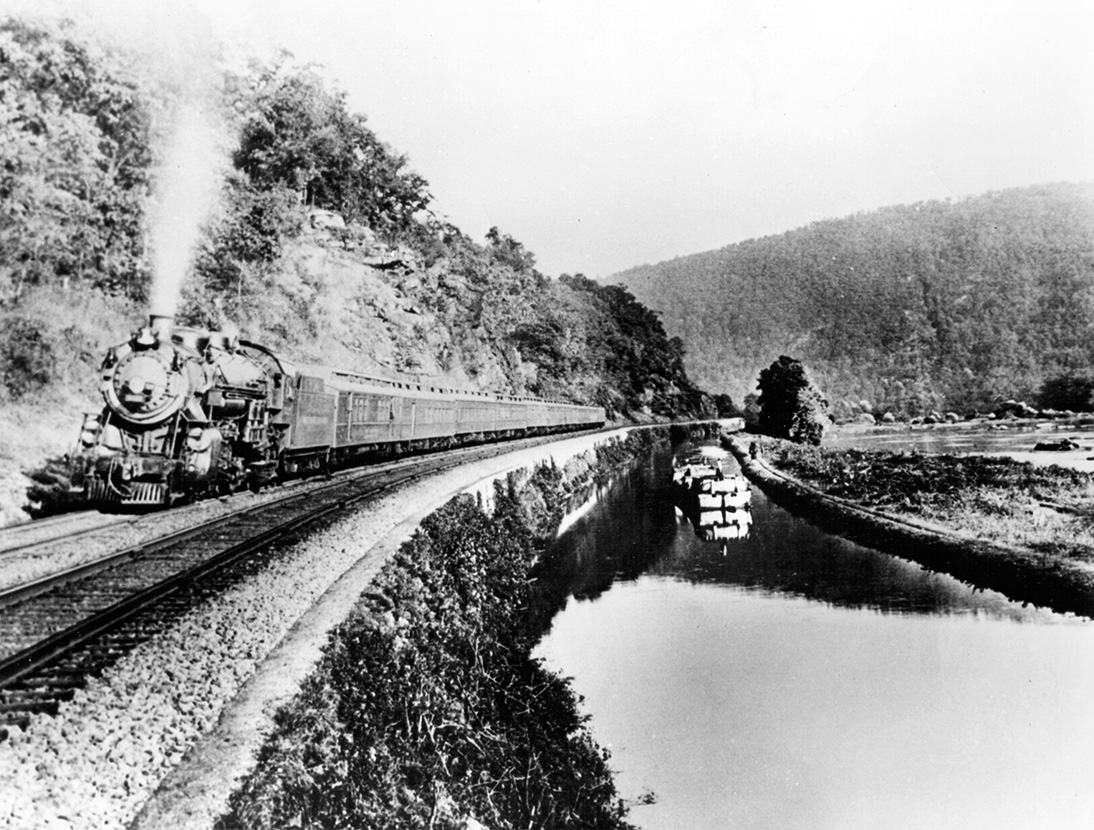
The Chesapeake and Ohio Canal, which had been under construction through the early 1830's, reaches Harpers Ferry.

The Department of War moved to significantly reduce wages of armory workers at Harpers Ferry, causing a panic among laborers and villagers.

The new Catholic Church in Harpers Ferry was consecrated by Archbishop Writefield of Baltimore, Maryland.
Another significant wave of cholera affects eastern Jefferson County from Harpers Ferry to Shepherdstown, ravaging residents and laborers from summer through winter.

After a battle with the canal, the Baltimore & Ohio Railroad arrives in Harpers Ferry.
In response to the Corkonian assault a few days earlier, Longford men overtake unsuspecting Corkonians on the canal line 6 miles below Williamsport. This battle ended with 5 or 6 Corkonians wounded, and over 50 prisoners taken by mounted citizens and contractors.

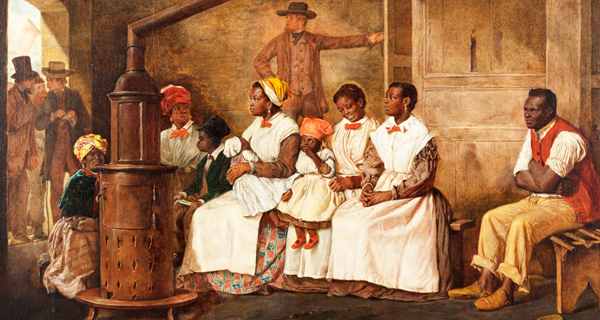
To protect from losses due to runaway slaves, the Virginia Slave Insurance Company was created and incorporated in Charles Town.

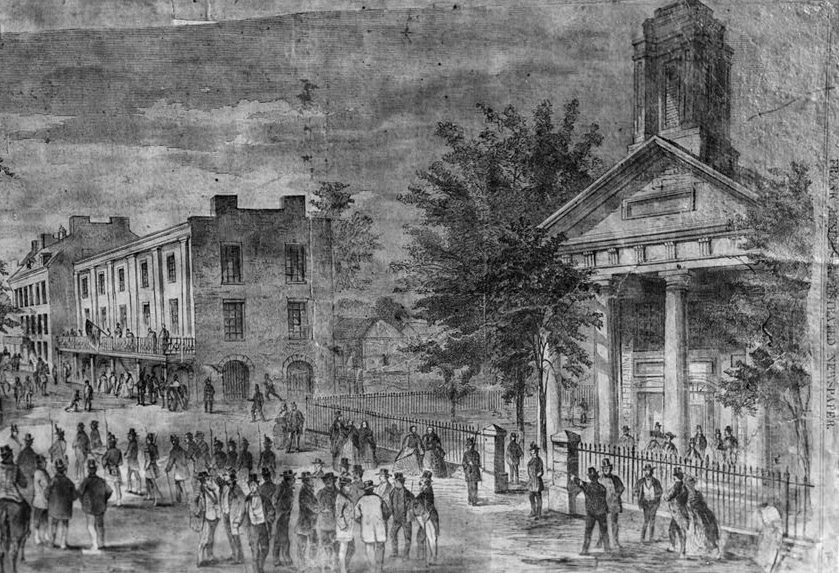
Because of growing pains, a larger, new courthouse was built atop the land where the old courthouse stood -- the same courthouse which stands today. During this time, the bottom floor was a large courtroom in its entirety.

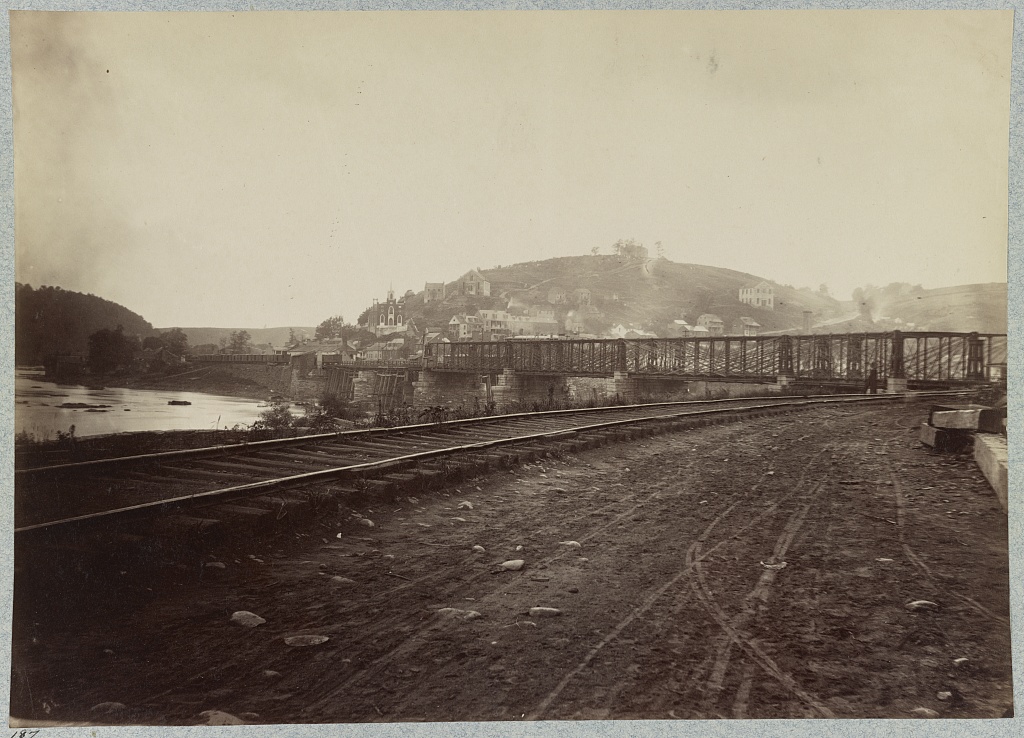
The Winchester and Potomac Railroad linked with the Baltimore and Ohio Railroad at Harpers Ferry. Trains regularly ran to Baltimore and back to Harpers Ferry.

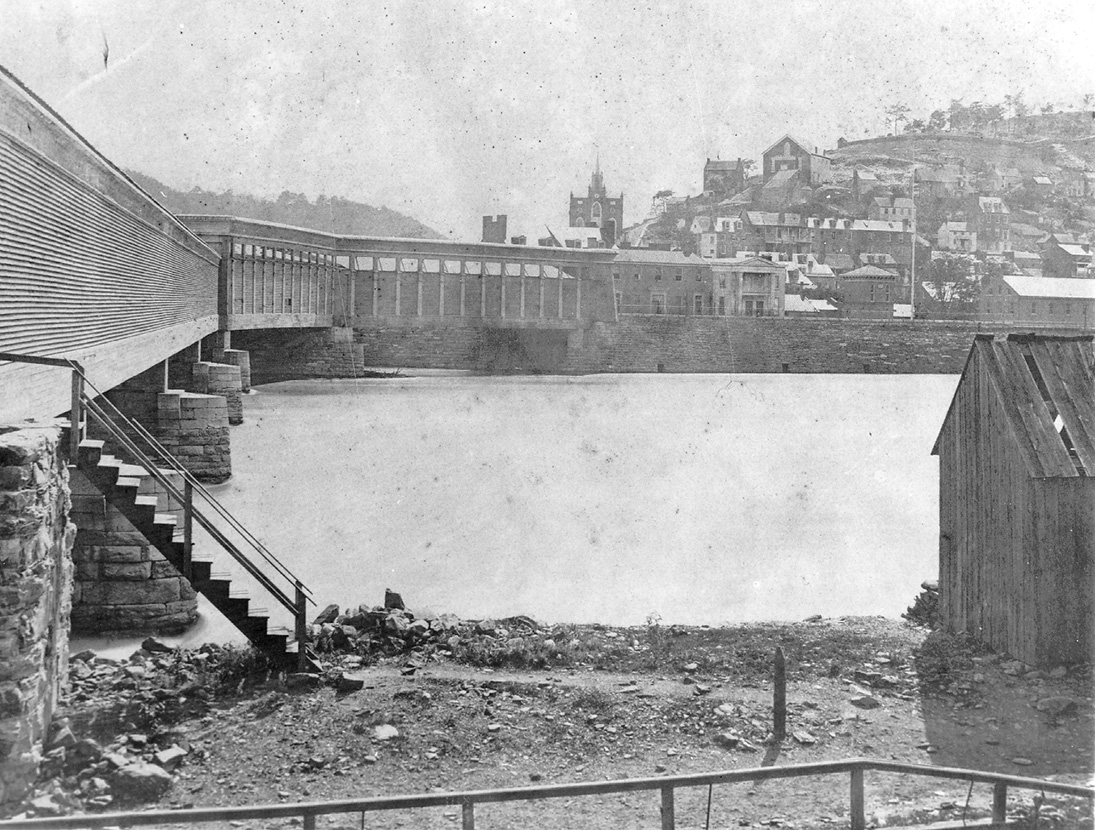
A bridge across the Potomac was opened in Harpers Ferry, which rendered the Ferry obsolete. Although constructed in 1836, the bridge was not covered until 1847.
Arms were delivered to citizens of Harpers Ferry from the Federal armory at the direction of the Governor of Virginia, with instructions to help quell a riot moving down the line of the canal from Morgan County. It appears that Irish laborers were calmed before reaching Harpers Ferry.
The completion of a number of large infrastructure projects in the area caused a large number of area laborers to suddenly find themselves in the job market with little to no work opportunities. With less competition for laborers, on-going area infrastructure projects significantly reduced wages, in some cases lowering wages by over 50%. This left many area workers in a down-trodden condition.
We use this timeline to help us understand the events that may have affected or shaped a person's life. Here are some ideas as to how this timeline may help your further your own research: