About
Revealing the Forgotten
Irish
Story
behind Harpers Ferry's History
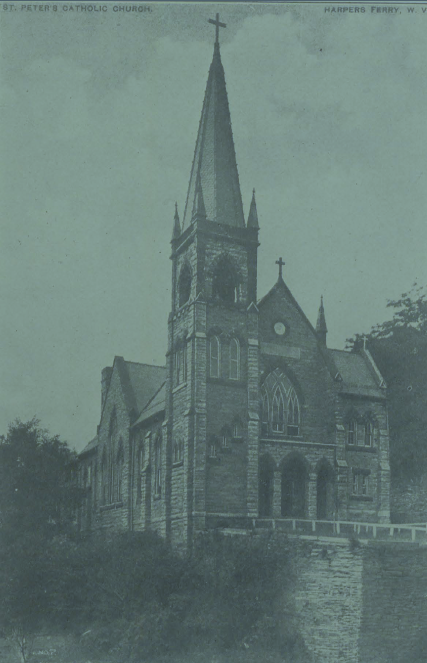
The Welsh of Harpers Ferry is a digital research project dedicated to uncovering, preserving, and sharing the richly layered history of the Irish community of Harpers Ferry and Bakerton, West Virginia.
What began as a genealogical study of the Welsh (Walsh) family has grown into a comprehensive historical resource for scholars, genealogists, local residents, and anyone interested in the historical cultural landscape of eastern Jefferson County, West Virginia.
The Welsh of Harpers Ferry has become an extensive effort to recover a population whose impact is evident but absent from traditional scholarship. Through thousands of transcriptions, curated records, and articles, the project aims to restore the Irish of Harpers Ferry to their rightful place in the region’s story.
surnames
topics
Developed by a researcher dedicated to gathering and organizing the scarce and scattered records of Harpers Ferry’s Irish community, the project is updated regularly with new transcriptions and research tools. It serves as a continually expanding, searchable resource for anyone studying the families, laborers, and industries that shaped the historic Harpers Ferry area.
transcribed records
Reconstructing Harpers Ferry History
through the lens of the Irish.
Harpers Ferry and the countryside surrounding it is an area known for its grand narratives: the Washington family estates, the Civil War, and the story of John Brown. These topics dominate local tours, classroom lessons, and regional memory. But these stories only account for a few short moments of Jefferson County's incredibly rich and layered history.
Missing from most discussions is the remarkable, self-made Irish population who came from unimaginable poverty and hardship, cut stone, constructed critical infrastructure, labored in the industries, raised families in work camps, carved livelihoods from nothing, and profoundly shaped the region's cultural, economic, and spiritual identity.
Their presence was substantial and their contributions foundational. Yet their voices are never heard in recountings of the past.


Why are the Irish missing from Harper Ferry's written history?
- Trauma carried from Ireland caused a strong preference for subverting official records,
- Sparse documentation of laborers and working-class families,
- Extreme poverty, violence, and dangerous conditions along infrastructure lines,
- The transient nature of many Irish laborers and their families made record-keeping inconsistent and records difficult to trace,
- Deaths, accidents, and brawls among laborers were too numerous and frequent to report in newspapers,
- An unfavorable impression and anti-Catholic sentiment towards Irish laborers.
Their absence from the written record created an extensive gap in our understanding of nineteenth-century Harpers Ferry. Without the story of the "Harpers Ferry Irish", the region’s history cannot be fully understood. The Welsh of Harpers Ferry aims to help correct this unfair imbalance in current historical narratives of Jefferson County and Harpers Ferry history.
Our work is not supported by grants, institutions, or commercial revenue that dictate or censor our research. It exists purely to chronicle and preserve history that would otherwise be lost, and to restore the voices of people who gave so much to the region.
We're Making an Impact on
Harpers Ferry History
The Welsh of Harpers Ferry returns a voice to the Irish laborers who built this region but are rarely given a place in its written histories.


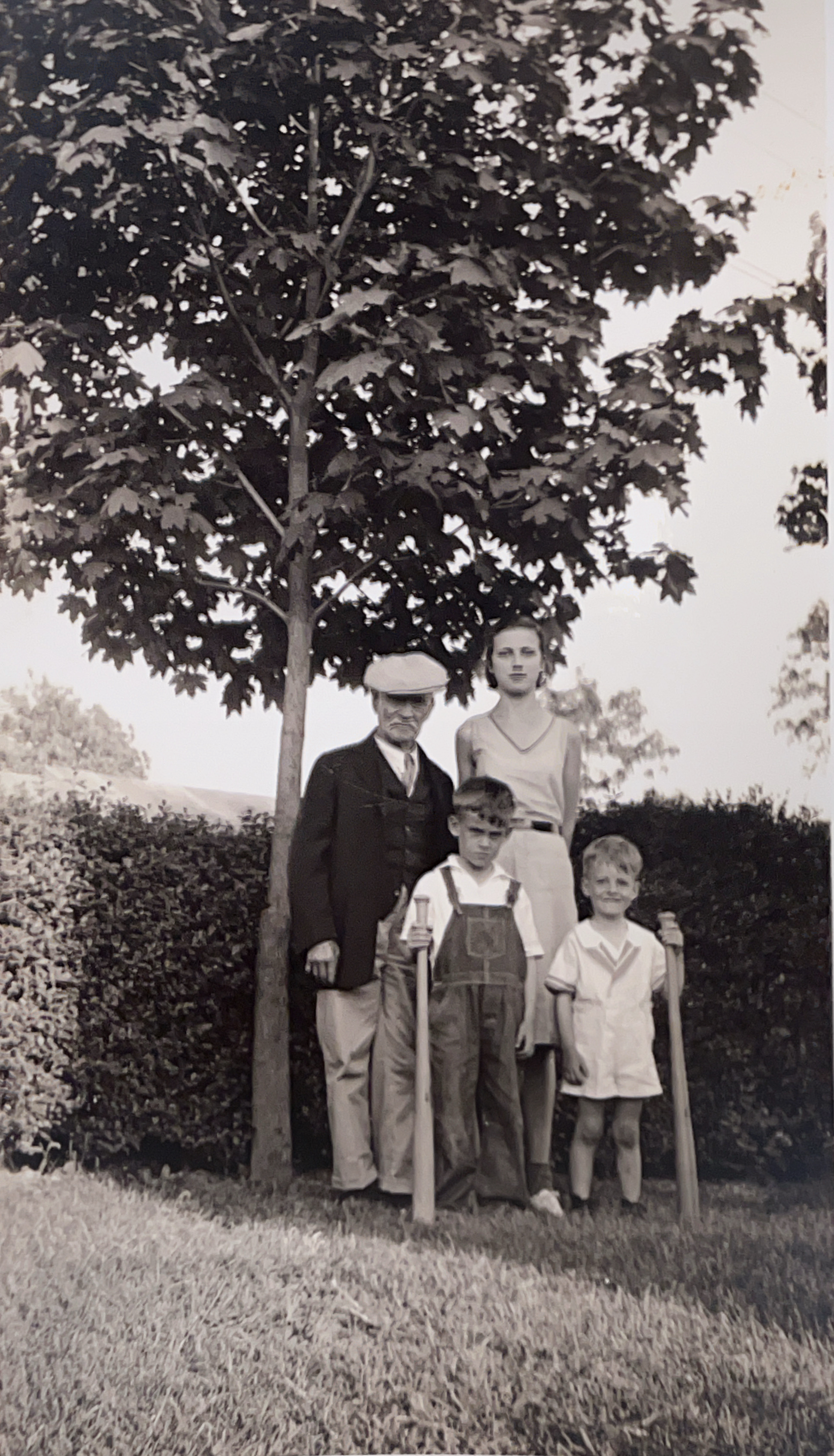
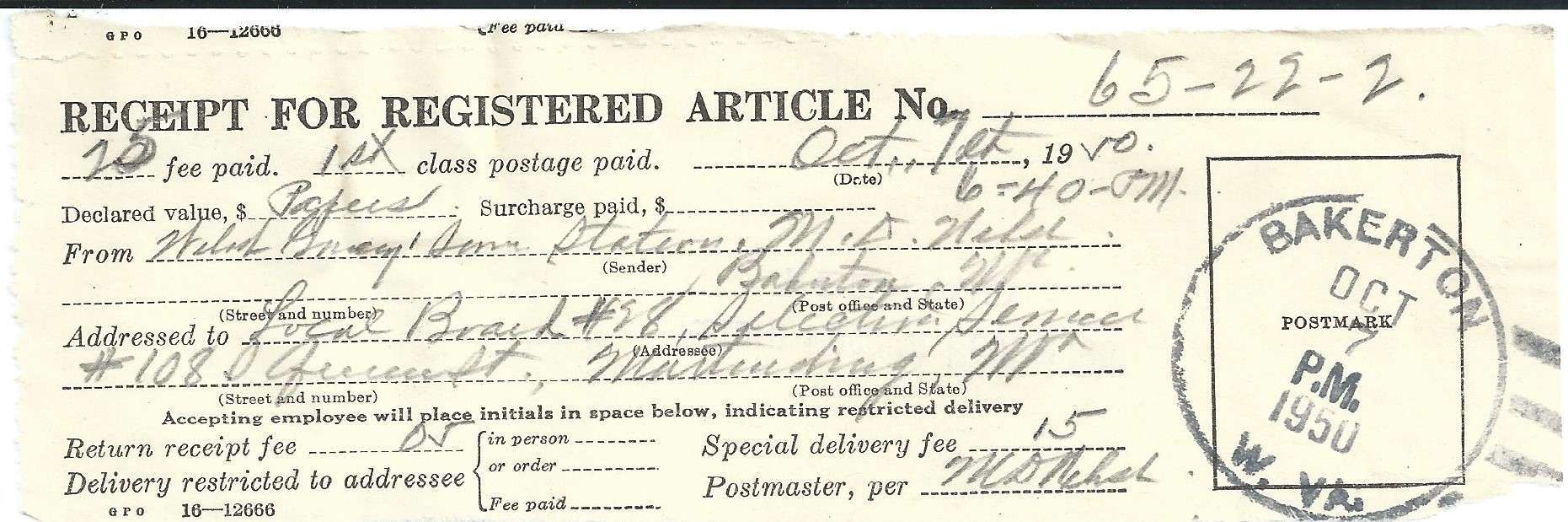
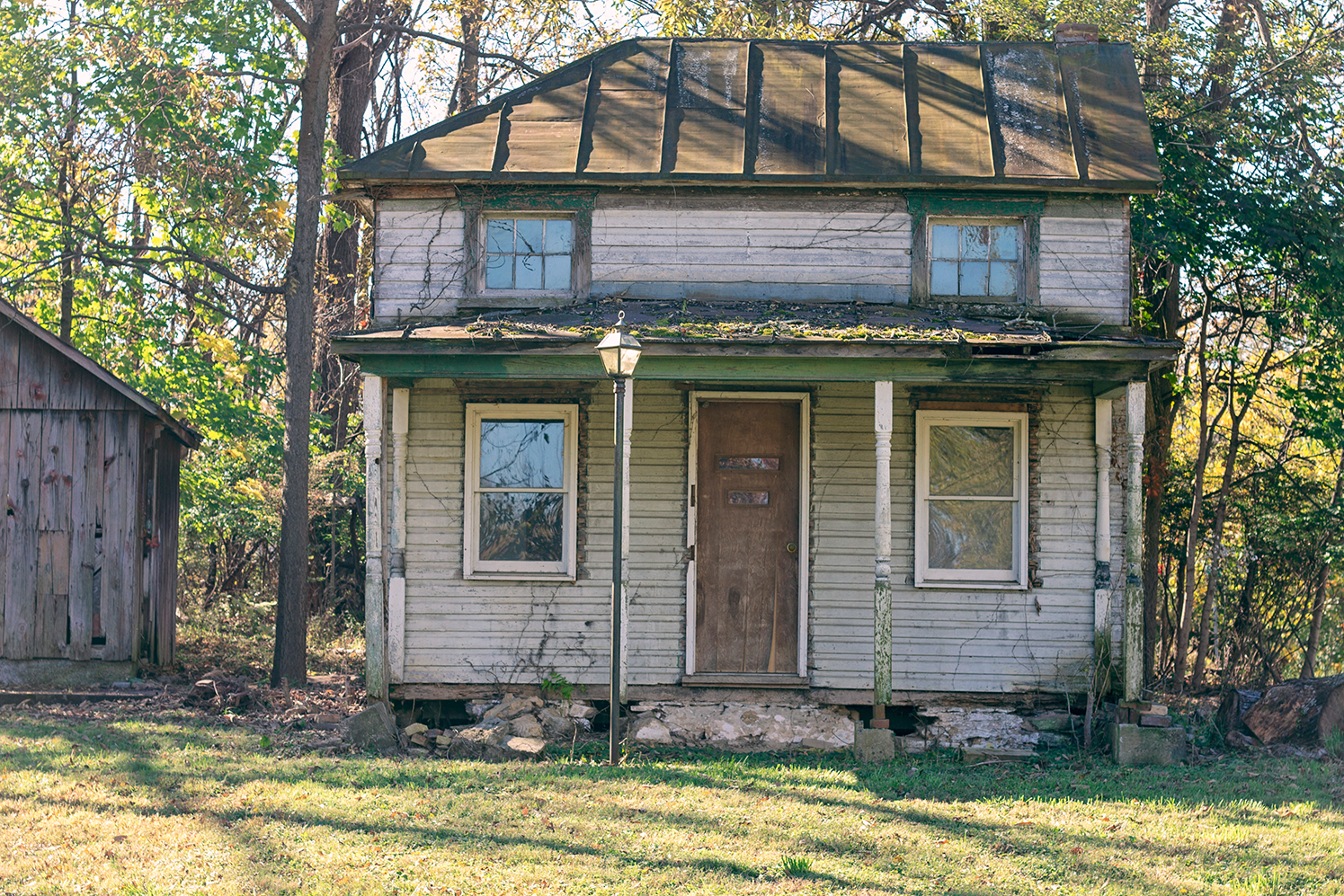


Every project has a beginning.
This one began with one.
Before the Welsh of Harpers Ferry grew into a database of nearly two thousand surnames, it began with a single Irish household. One, among many, who crossed the Atlantic seeking freedom, faith, and the chance to carve a new life along the Potomac and Shenandoah.
Their story is not unique.
And that is exactly why it matters.
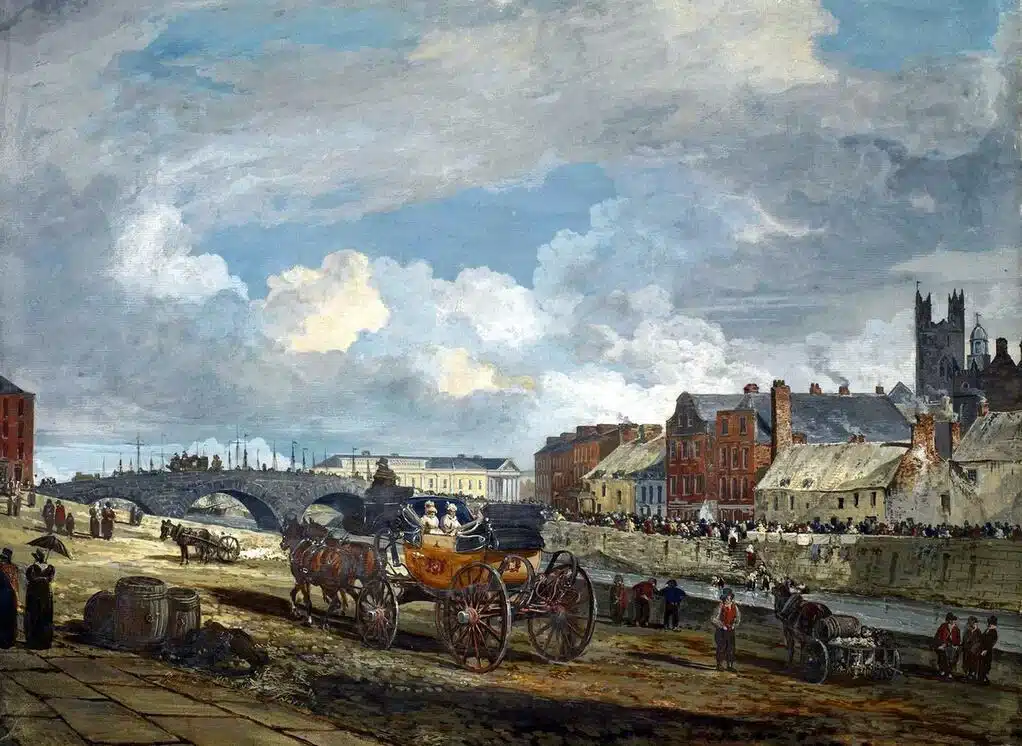
Starvation. Famine. Poverty.
By the early 1800s, the homeland had become uninhabitable. Ireland was being manipulated by the capital needs of England. Tenants who had scraped together small assets, such as livestock, tools, machinery, and seed, watched those assets being extracted from the countryside and funneled toward Britain.
The Walsh family was forced from their lands, desperately fighting for limited wage labor, and being crushed by the weight of tithes. Ireland had become a conquered land of slaves harvesting for the British.

Exiles of Erin
As Patrick Walsh stumbled into Banagher carrying what little sustenance his family could spare to market, he happened upon a nicely dressed gentleman. "Board, meat, liquor, fair wages," the man said, "We'll ship you to America, where you'll have steady work building a canal."
Patrick knew it would be worth it. Honora wasn't so sure. Packing up her sons, sailing across the Atlantic, and making a new life far away from their daughters and the beloved homeland seemed just as excruciating as their current situation. But, Patrick promised freedom, a better life, and an area reminiscent of Ireland. Harpers Ferry, and later Oak Grove [Bakerton], was that dream coming true.
The bustling industries of Harpers Ferry, bound on both sides with rivers from which mountains sprung was breathtaking. Emerging from the serene farmland of neighboring Oak Grove, limestone quarries, which were mining some of the most magnesium-rich limestone in the world, promised employment for the family's sons. The similarities to their beloved Kings [Offaly] County were eerily remarkable. It was almost like being home.
Patrick passed away soon after their arrival, leaving his family to create a new life in a new world. He had accomplished his goal of providing a better life for his family by guiding his family away from the difficulties of Catholic oppression and the extreme poverty of peasantry in their homeland.
Patrick and Honora's sons found work in the limestone industry as quarrymen and boatmen, and occasionally could be found working for the railroad. The four sons were all known to have worked for William Flanangan, a fellow Irishman who was a highly respected Oak Grove farmer and limestone quarry proprietor. A loyal friendship flourished from their relationship, and the families soon became kin by marriage.
Through the years, the Welsh family of Harpers Ferry continued to prosper and multiply, with many becoming esteemed citizens of Bakerton -- the same Oak Grove which the immigrating family made home generations earlier. It was all because of Patrick and Honora and their American dream.
The Walsh/Welsh family was not alone. During the early 1800s, hundreds of Irish families -- if not thousands-- arrived in the Harpers Ferry area under mirrored circumstances. Their countrymen formed a large, overlooked Irish community whose labor shaped Harpers Ferry far more than traditional narratives suggest.


Born and raised in Jefferson County, West Virginia, Kaila A. Welsh-Lamp is a historian and storyteller devoted to preserving the voices of those who built the region but were too often left out of its written history. A descendant of both colonial settlers and Irish Catholic laborers who arrived in the Bakerton and Harpers Ferry area in the early 1800s, Kaila approaches history not as a list of dates and names, but as a story connecting generations of ordinary people whose hands shaped extraordinary places. Their legacy of resilience and faith became the compass that guides her work today.

Though she found history lifeless in an academic setting, everything changed when her father asked her to finish a family tree he had started. That simple request opened a door to a forgotten world, where Irish immigrants labored to construct infrastructure that fueled America’s early growth. In these forgotten accounts, Kaila discovered not only her heritage but a forgotten story of persecution, poverty, labor, community, and faith that had been buried beneath often-told narratives of John Brown, the American Civil War, and the Washington family in recountings of Jefferson County history.
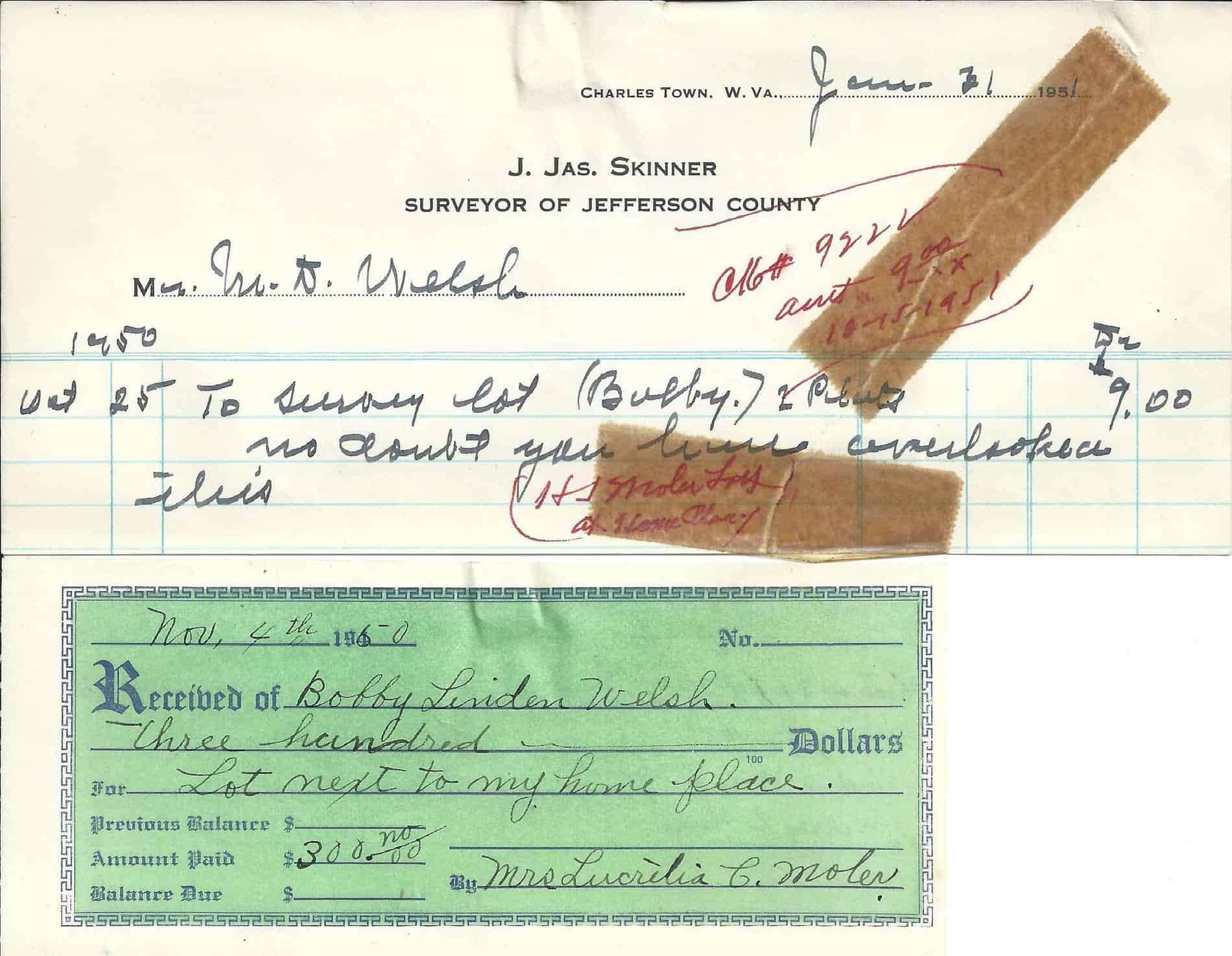
Today, Kaila is recognized throughout Jefferson County for her dedication to uncovering and sharing the untold stories of the region’s past. She is the founder of Welsh of Harpers Ferry, a growing archive where she has transcribed, indexed, and made freely available nearly 2,000 historical records to support genealogists and researchers around the world.
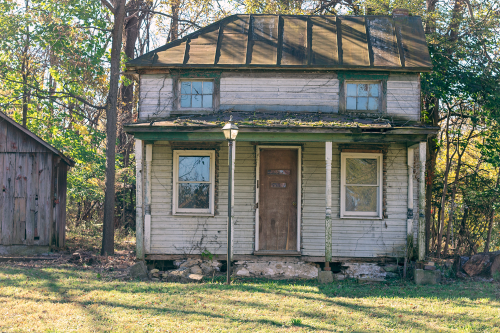
Alongside her husband, she is currently restoring a 1900 laborer’s home in Bakerton into a place where the story of the village and its people can be experienced firsthand. Her preservation efforts have been acknowledged by the Jefferson County Historic Landmarks Commission, which commended her successful nomination of the Houser-Mahoney House (also known as Quarryman’s Rest) to the National Register of Historic Places.
Inspired by her second great-grandfather, Tommy Buchanan Walsh, Kaila seeks to give voice to the overlooked and to illuminate the working-class lives that powered the industrial heart of eastern Jefferson County, especially the Irish of Harpers Ferry and the laborers of Bakerton. Guided by her personal mission, “no ancestor forgotten; no story erased,” Kaila’s work continues to shine a light on the lives of those who helped build the industrial heart of eastern Jefferson County and invites others to connect personally with their stories.
Beyond her research, she is a wife, mother, and lifelong horsewoman. She brings the same sense of heart, grit, faith, and authenticity to her historical work that defined the generations who came before her.